
#13 – Mortise Chisel
Mortise Chisel — The Rugged Tool Behind 4 Enduring Woodworking Joints
The mortise chisel is the rugged foundation of hand-cut joinery — a thick, heavy-bladed tool built to chop deep, rectangular mortises in timber and withstand the repeated mallet blows that no ordinary chisel could survive. Without the mortise chisel, the mortise-and-tenon joint — the structural backbone of furniture, doors, timber frames, and chair construction for centuries — would be impossible to cut accurately by hand. Every serious joinery workshop, from the medieval craftsman’s bench to the modern hand-tool revival, has kept a set of mortise chisels within arm’s reach.

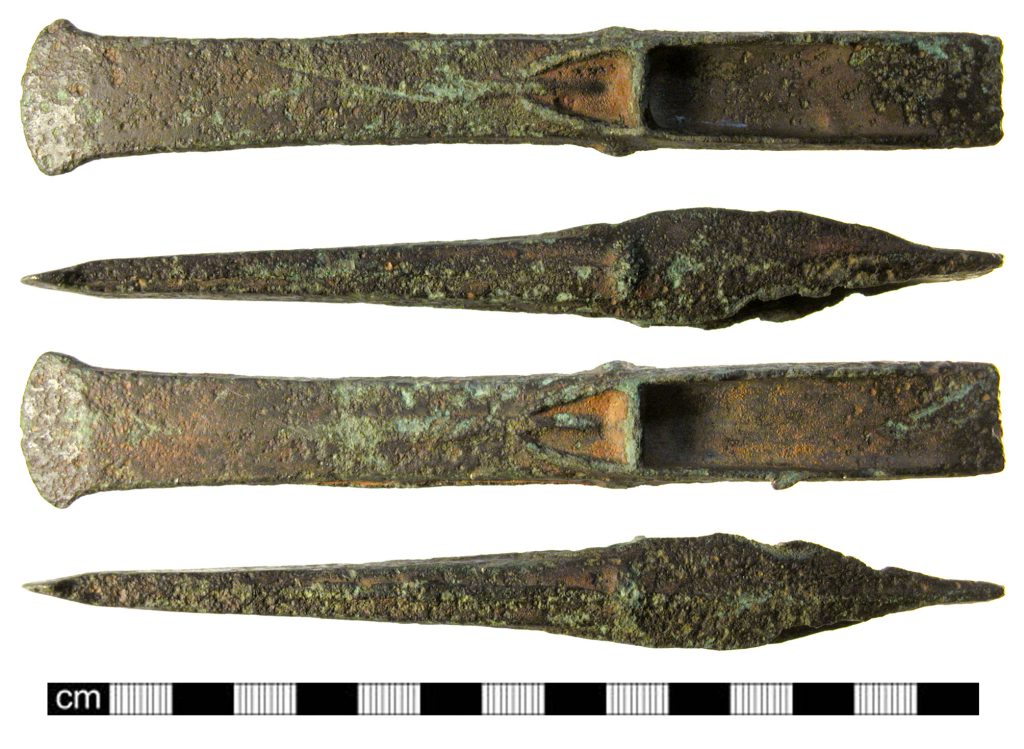
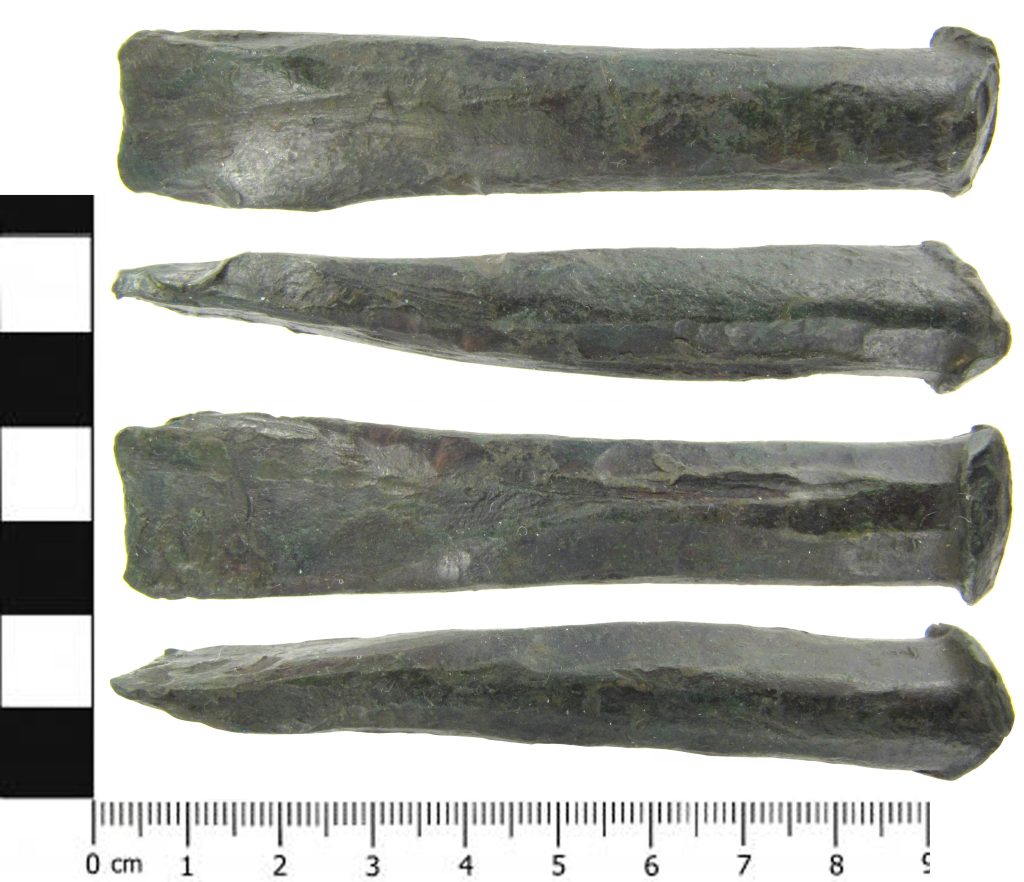
History of the Mortise Chisel
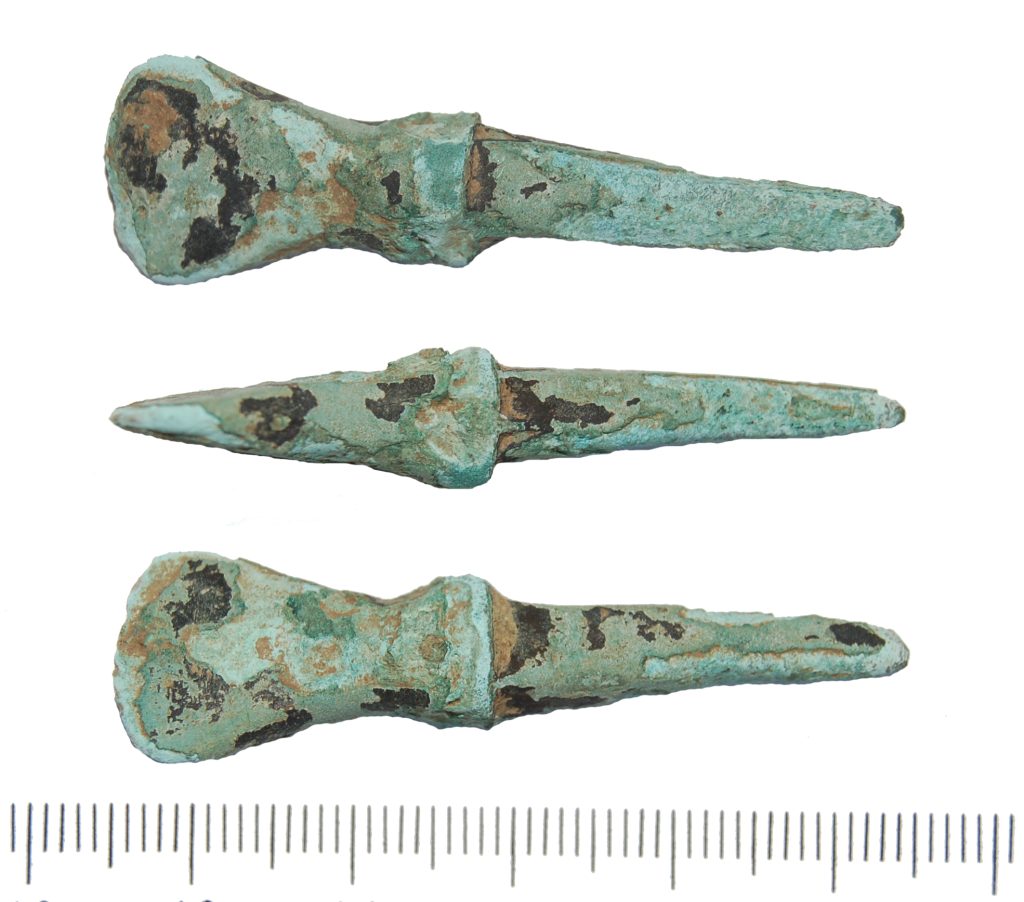
The mortise chisel has been attested since the medieval period and reached its peak of daily use between the 17th and 19th centuries, when hand joinery was the only method available for producing furniture, architectural woodwork, and timber-framed buildings. Before the industrial era, every joiner, cabinetmaker, and carpenter relied on the mortise chisel as the primary means of cutting the mortise half of the mortise-and-tenon joint.
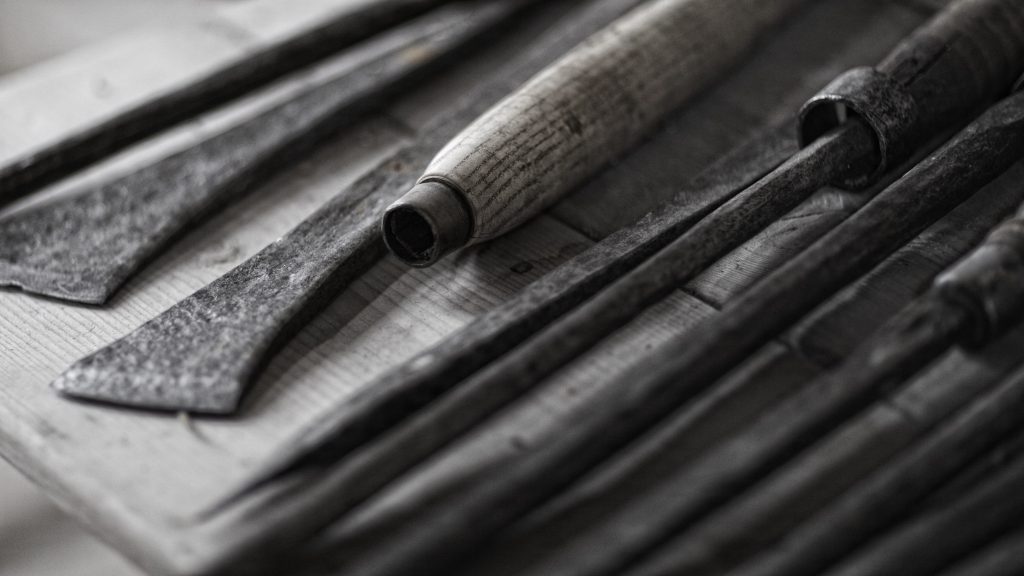
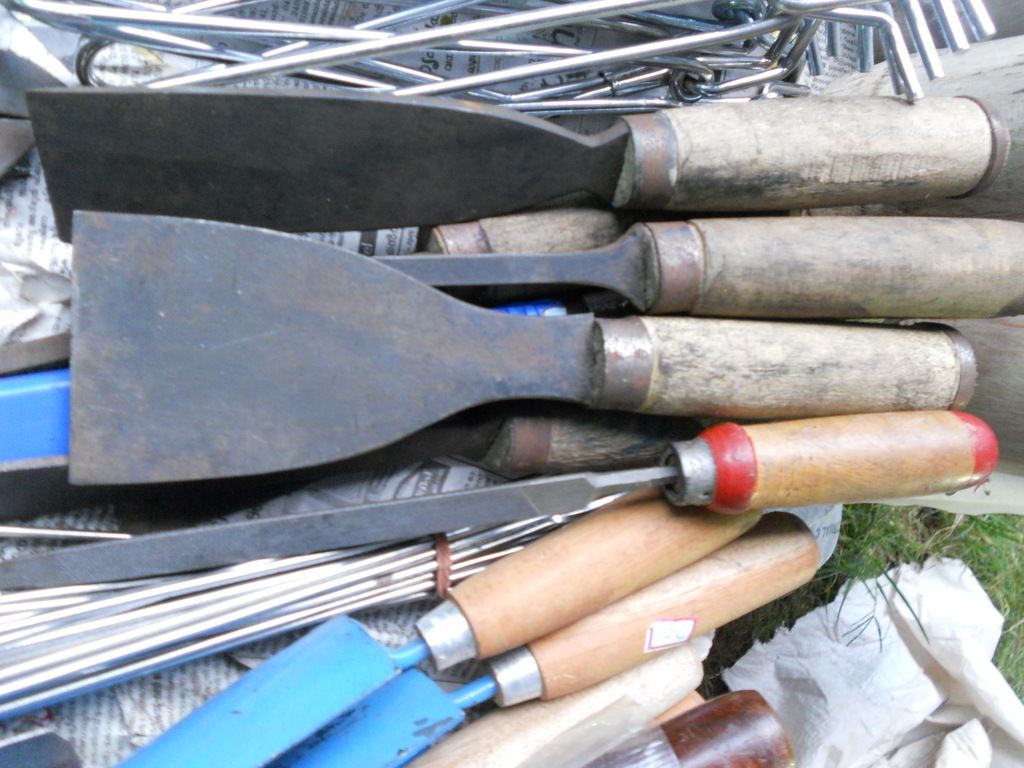
As documented in Wikipedia’s chisel article, the mortise chisel’s robust construction — thick blade, reinforced handle, and hooped ferrule — distinguished it from all other chisels precisely because mortising demands more from a tool than any other operation in the workshop. Specialist toolmakers across Sheffield, Birmingham, and the continent produced mortise chisels in a range of widths, each ground to the particular profile its trade demanded.
How the Mortise Chisel Works
The craftsman begins by laying out the mortise with a marking gauge, scribing two parallel lines to define the mortise walls. The mortise chisel is then driven vertically into the waste between those lines with a wooden mallet, working from both ends of the mortise toward the centre. After each series of chops, the thick blade is inserted horizontally and used to lever out the waste — the robust cross-section of the blade resisting the lateral force that would split a thinner chisel.
This chopping-and-levering cycle continues until the mortise reaches its full depth. The result is a clean, flat-bottomed mortise with crisp, vertical walls ready to receive a tenon cut to an exact fit. The skill of mortise chisel work lies in reading the grain, controlling the depth of each blow, and keeping the walls perfectly plumb — work that only the rugged mortise chisel, driven with a mallet, can accomplish at the pace joinery demands.
The Mortise Chisel in 4 Enduring Woodworking Joints
The mortise chisel’s primary purpose is the mortise-and-tenon joint — one of the oldest and most enduring structural connections in woodworking. Door frames depend on it: the vertical stiles are mortised to receive the horizontal rail tenons, creating a frame that moves with humidity changes without losing its structural integrity. Chair construction relies on it: chair legs are mortised to accept the stretcher tenons that hold the seat together under load.
Table bases are built with it: apron-to-leg joints are mortised for strength and rigidity. And timber framing uses it at scale: the post-and-beam connections of barns, bridges, and traditional buildings are all mortise-and-tenon joints cut with the mortise chisel, then secured with wooden pegs driven through drawbored holes. Four enduring joints — all built on the same rugged tool. See also the Tenon Saw — No. 14, which cuts the tenon that fits the mortise chisel’s work, and the Wooden Mallet — No. 20, the timeless striking partner of every mortise chisel.
Choosing and Using a Mortise Chisel
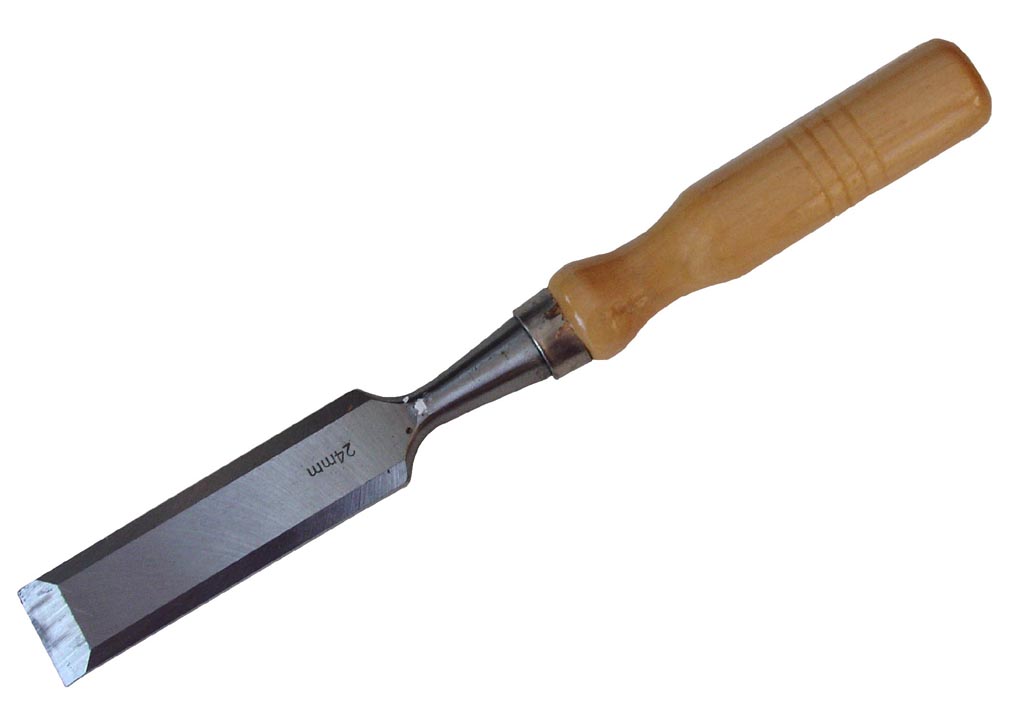
Mortise chisels are selected by width to match the mortise being cut — a 6 mm mortise chisel for chair joinery, a 12 mm for door frames, a 19 mm for heavy timber work. The blade must be thick enough to resist lateral loading; the handle must be capable of absorbing thousands of mallet blows without splitting. Traditional mortise chisels carry a steel hoop at the top of the handle and a brass ferrule at the base — both protecting the handle against the forces of hard use. The bevel angle is typically steeper than a paring chisel — 30 to 35 degrees — for durability under impact rather than fine paring work.
The Mortise Chisel Today
The mortise chisel remains the timeless benchmark of hand-tool craftsmanship. The revival of hand-tool joinery worldwide has brought renewed appreciation for the rugged mortise chisel — every serious hand-tool joiner keeps a set at the bench, and the best examples from Sheffield’s golden era of toolmaking are sought after as working tools, not collector’s pieces. A sharp mortise chisel, a wooden mallet, and a well-prepared piece of timber: the oldest joinery workflow in the world, unchanged and unreplaced.
Definition
A heavy, thick-bladed chisel designed to chop deep, rectangular mortises in timber. The thick blade resists lateral forces when levering waste from the mortise; the steel-hooped handle withstands mallet blows. The foundation of mortise-and-tenon joinery worldwide.
Terminology
| German | Stechbeitel / Lochbeitel |
|---|---|
| English | Mortise Chisel / Mortising Chisel / Pigsticker |
Regional Variants
EN: Mortise chisel, Mortising chisel, Pigsticker — DE: Stechbeitel, Lochbeitel, Stemmeisen — FR: Bédane, Ciseau à mortaiser — NL: Steekbeitel — SE: Stämjärn — DK: Stemmejern
Professional Users
Joiners, cabinetmakers, furniture makers, timber framers, carpenters
Period / Era
Attested from the medieval period; peak use 17th–19th century; still essential in hand-tool joinery
Available as an archival print — Heritage Tools Archive Vol. 02 — Joinery Tools