
#20 — Wooden Mallet / Holzhammer
Wooden Mallet — The Timeless Driving Force Behind 4 Handcrafted Joinery Joints
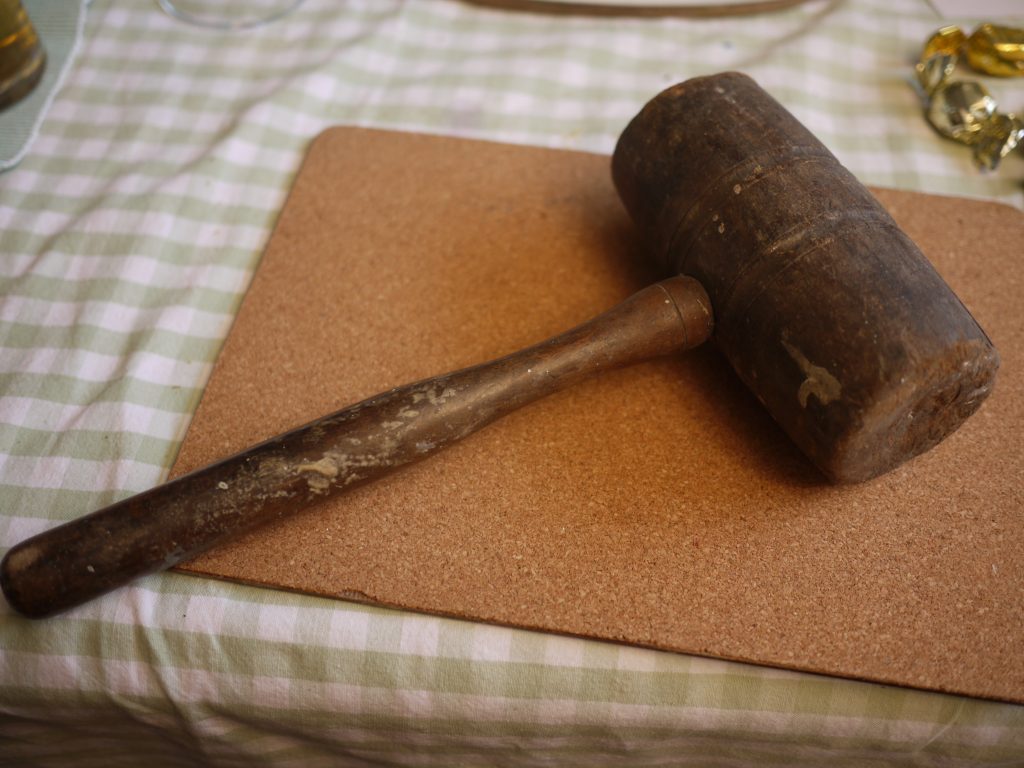
The wooden mallet is the timeless striking tool of the joiner — the rugged, broad-faced head that drives chisels through mortises, assembles tight joints, and draws pegs home without damaging the work or the tools. Where a steel hammer concentrates its force destructively on a small area, the wooden mallet distributes the blow across its broad face, giving the craftsman control over every strike and protecting the chisel handle, the joint face, and the timber surface from the damage that metal-on-wood contact inevitably causes.
History of the Wooden Mallet
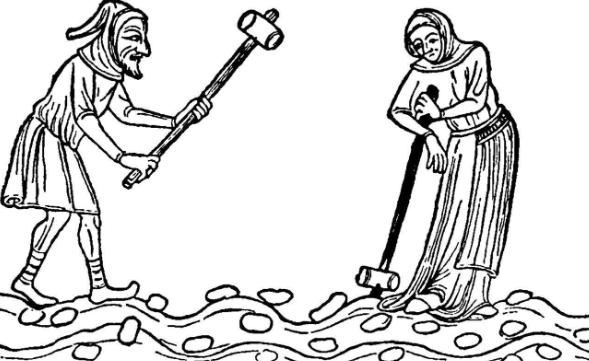
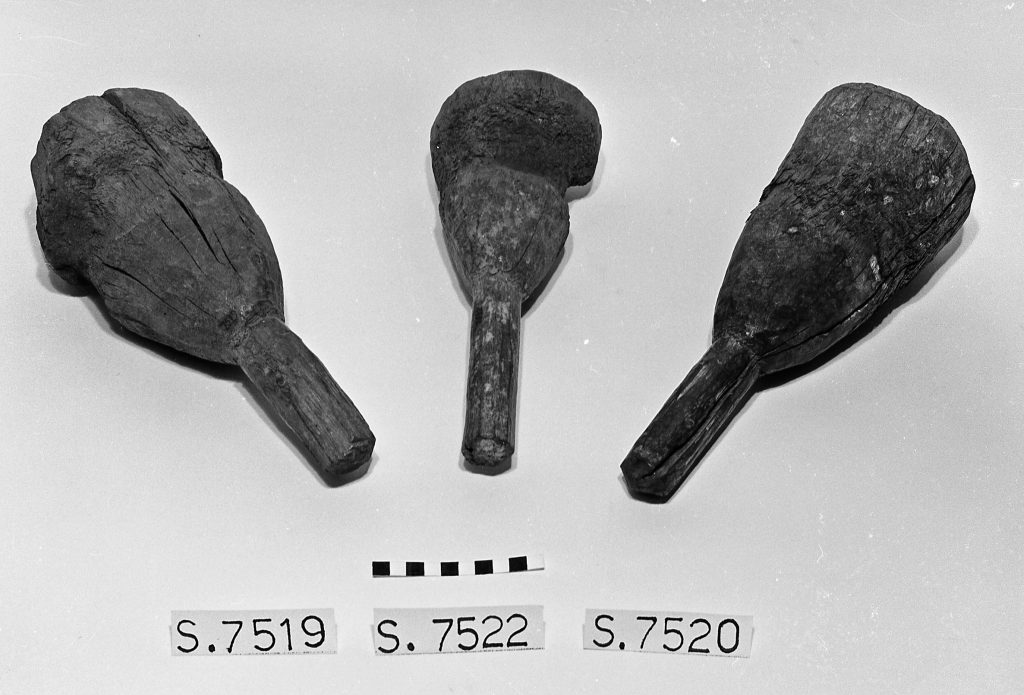
The wooden mallet has ancient origins and has been in continuous use in woodworking and joinery to the present day across every woodworking culture. As noted in Wikipedia’s mallet article, the mallet’s fundamental principle — using a wooden or similarly soft striking head to deliver controlled blows to tools and work without causing surface damage — is documented from the earliest periods of organised craft production. Joiners‘ mallets were produced in a range of sizes, from the heavy mortising mallet used by timber framers to the lighter carver’s mallet used for gouge work.
The joiner’s mallet is distinguished from the carver’s mallet primarily by its head geometry: the joiner’s mallet carries an angled head — wider at the striking face than at the handle — that keeps the face square to the chisel handle through the arc of the swing, allowing accurate blows without the craftsman having to compensate for angular error. Carver’s mallets are typically round, allowing the craftsman to strike from any angle without repositioning the tool. Both forms have been produced in boxwood, beech, ash, and hornbeam — dense, close-grained hardwoods that withstand repeated impact without splitting or denting the striking face.
How the Wooden Mallet Works
The joiner’s mallet is swung in a controlled arc, the angled head keeping the broad striking face perpendicular to the chisel handle at the moment of impact. This geometry is what makes the wooden mallet the enduring choice for chisel work over any steel hammer: the face strikes squarely every time, transmitting the full energy of the blow along the axis of the chisel blade into the timber, rather than deflecting sideways and risking the chisel skewing in the cut.
The broad face also spreads the impulse across the full area of the chisel handle’s end, preventing the point-loading that would split a wooden handle under repeated steel hammer blows. For assembly work — driving a joint home or persuading a tight mortise-and-tenon to close — the wooden mallet strikes the timber surface directly, its softness preventing bruising and marking that a steel hammer head would cause immediately.
The Wooden Mallet in 4 Handcrafted Joinery Operations
Mortise chopping is the primary and most demanding use of the mallet: the mortise chisel must be driven deeply and repeatedly into hardwood, and the mallet provides the controlled, sustained force that this requires across hundreds of blows per mortise. Dovetail assembly — closing a hand-cut dovetail joint for the first time — uses the mallet against a protective block of scrap timber, persuading the tight joint home without bruising the tail board surface.
Drawboring — the technique of driving a slightly offset wooden peg through a mortise-and-tenon joint to pull it tight without clamps — requires the mallet to drive the hardwood peg with enough force to draw the joint closed, a task that demands a heavier blow than assembly work but the same precision.
Carving uses the mallet to drive gouges and chisels through timber in the shaping of decorative work, where the varied force of each blow determines the depth and character of the cut. Four enduring operations in hand joinery and woodworking, all dependent on the same rugged tool. See also the Mortise Chisel — No. 13, which the wooden mallet drives in every mortise-and-tenon joint.
Wooden Mallet Materials and Construction
The joiner’s mallet head is typically turned or shaped from a single piece of dense hardwood: beech, hornbeam, lignum vitae, and apple are all traditional choices, selected for their resistance to splitting under repeated impact. The handle is fitted through a tapered mortise in the head — the taper wedging the head more tightly onto the handle as the mallet is swung, ensuring the head never loosens in use.
The weight of the mallet is selected to match the work: a 450 g mallet for carving and fine chisel work, a 700 g to 900 g mallet for mortising in softwood, a heavier version still for hardwood mortising and timber framing.
The Wooden Mallet Today
The wooden mallet remains a timeless, essential tool in every hand-tool joinery workshop. The revival of hand joinery has brought renewed appreciation for the traditional turned mallet — both vintage examples in beech and hornbeam and modern versions in exotic dense hardwoods are in daily use. No mortise is chopped, no dovetail assembled, and no joint driven home without the rugged, controlled blow of the wooden mallet.
Definition
A wooden striking tool used to drive chisels, strike joints together, and assemble mortise-and-tenon work without damaging tool handles or wood surfaces. The broad striking face distributes the blow evenly; the angled head of the joiner's mallet keeps the face square to the chisel handle through the arc of the swing.
Terminology
| German | Holzhammer / Klüpfel |
|---|---|
| English | Mallet / Joiner's Mallet / Carver's Mallet / Wooden Mallet |
Regional Variants
EN: Mallet, Joiner's mallet, Carver's mallet, Wooden mallet — DE: Holzhammer, Klüpfel, Schläger, Holzschlegel — FR: Maillet — NL: Houten hamer — SE: Träklubba — DK: Træhammer
Professional Users
Joiners, cabinetmakers, furniture makers, carpenters, carvers, timber framers
Period / Era
Ancient origins; in continuous use in woodworking and joinery to the present day
Available as an archival print — Heritage Tools Archive Vol. 02 — Joinery Tools