
#05 – Pole Lathe
Pole Lathe Green Woodworking — Timeless Turning Machine with 5000 Years of History
Pole lathe green woodworking is the timeless art of turning wood with a foot-powered spring pole lathe that has been practised continuously for over 5000 years — from ancient Egypt to the chair bodgers of the English forests to the inspiring green woodworking revival of today. The pole lathe requires no electricity, no motor, and no fuel — just a foot, a bent pole, and the rhythm of the wood.
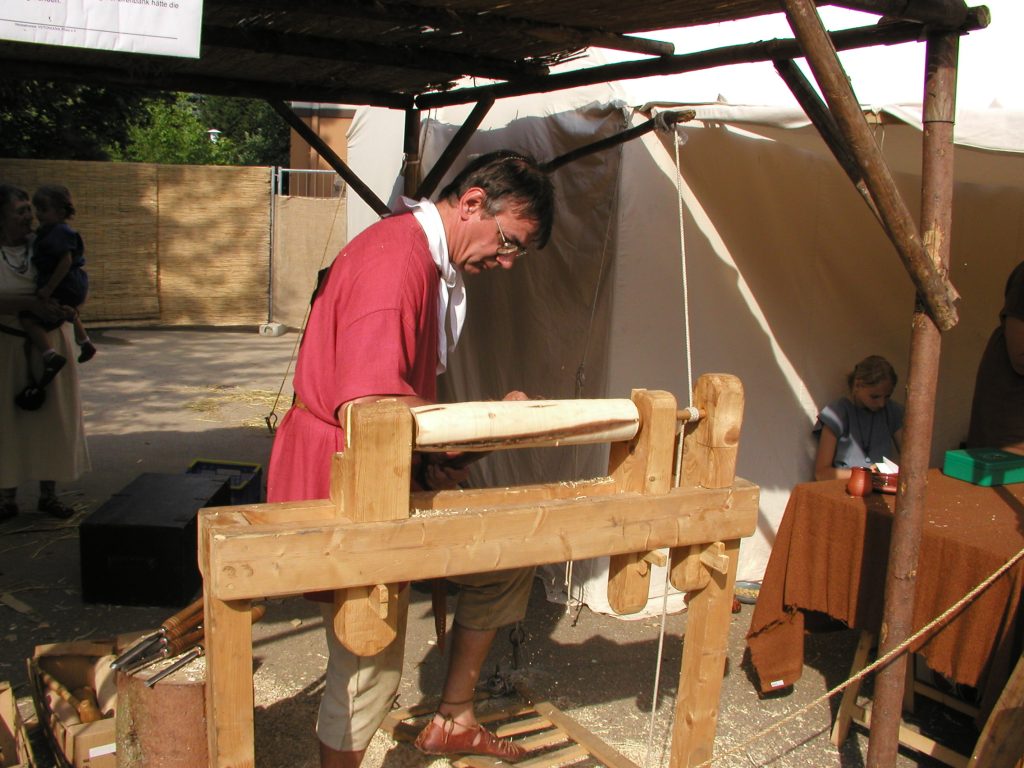
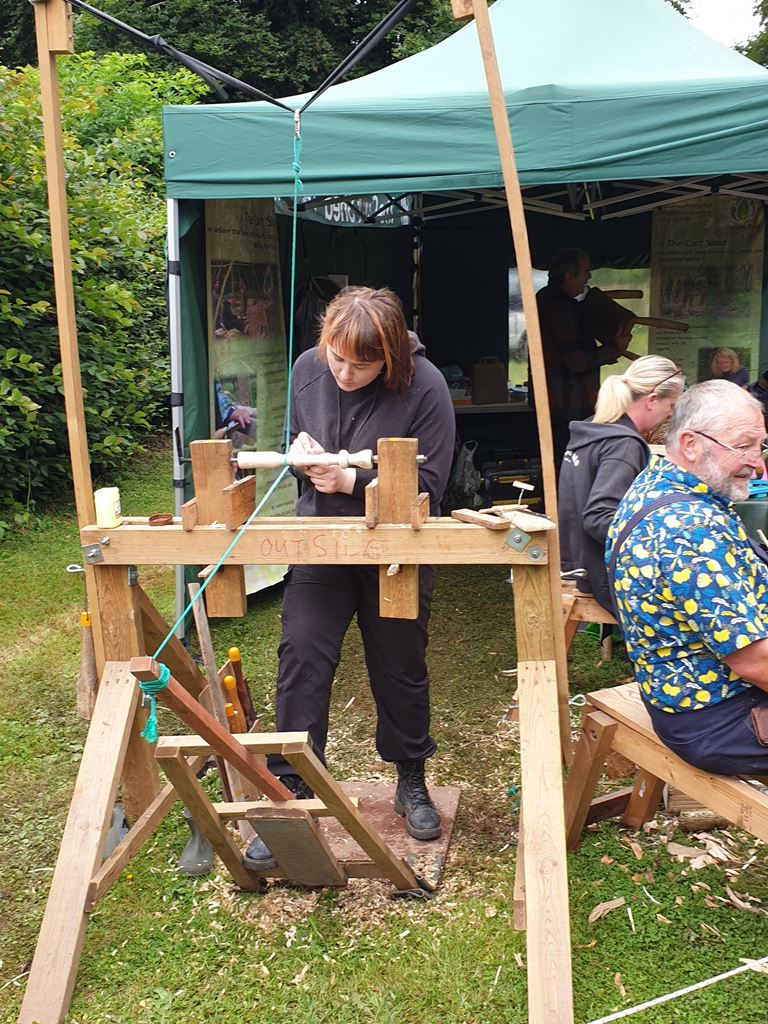
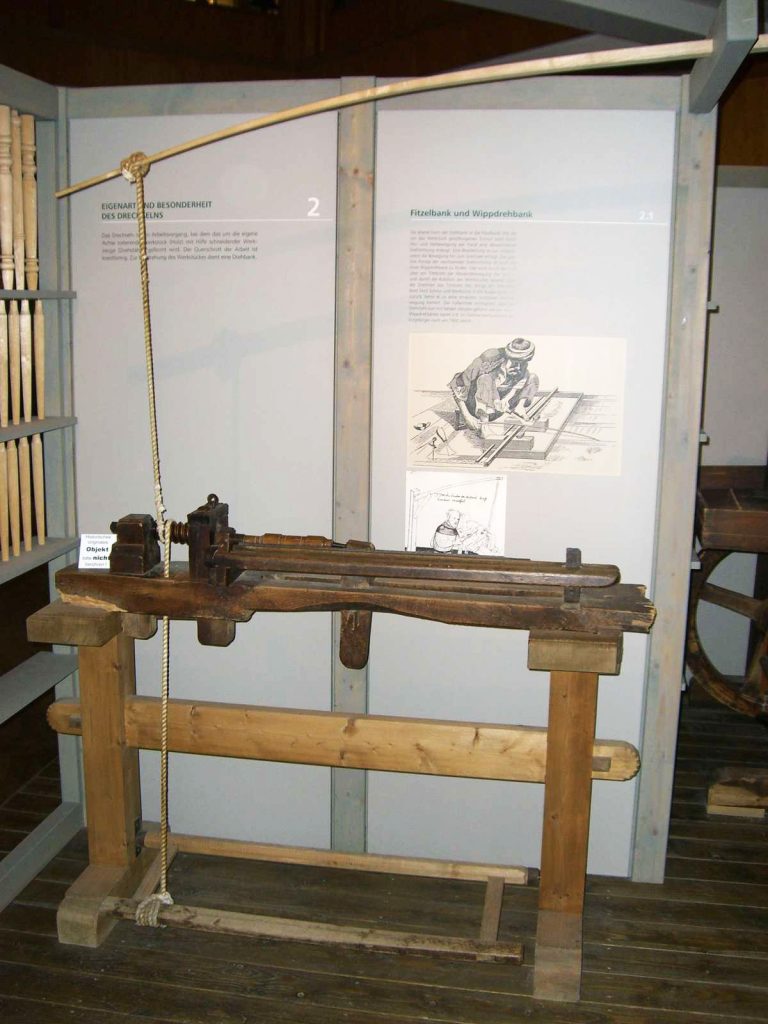
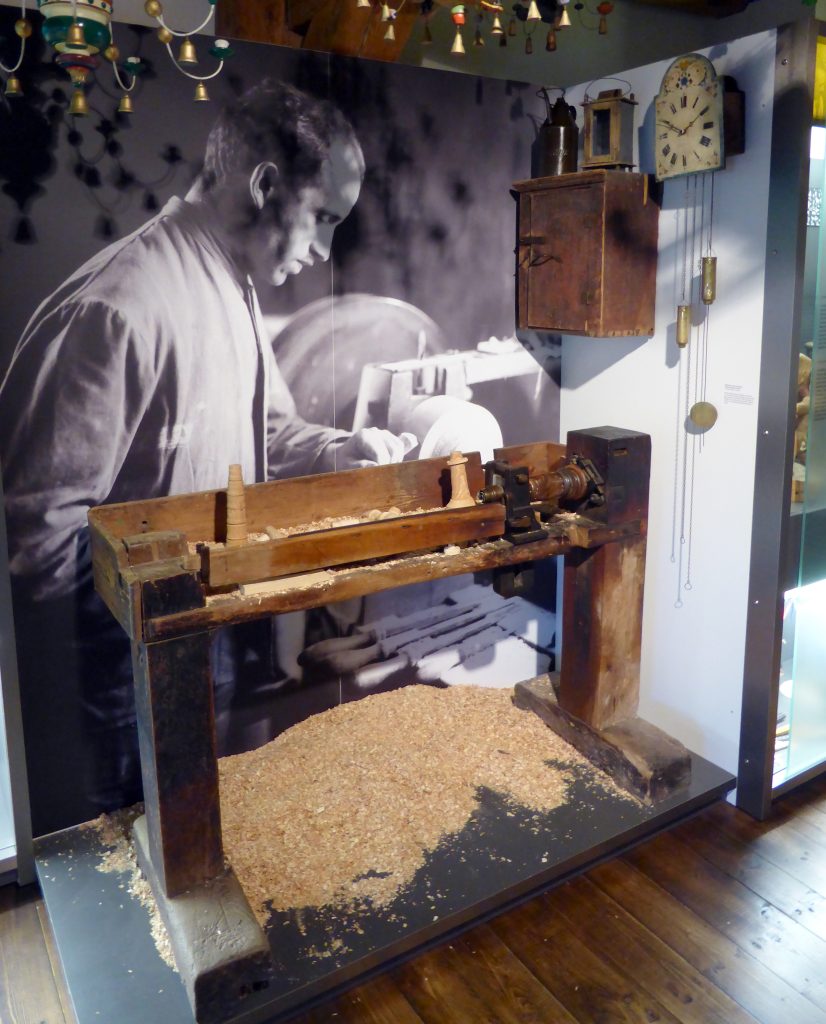
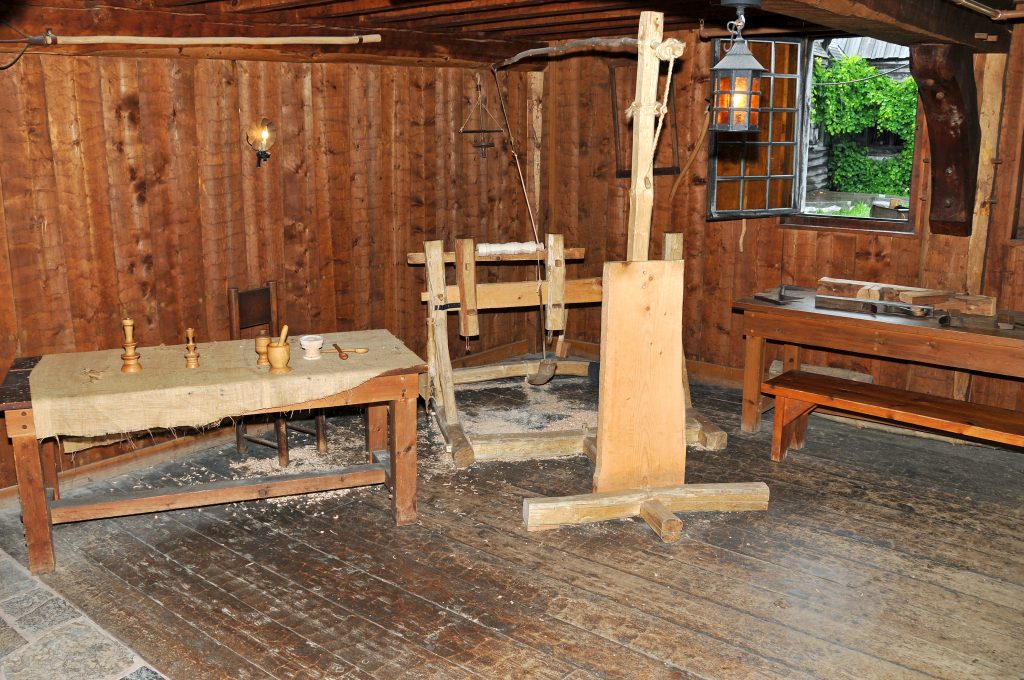
History of Pole Lathe Green Woodworking — 5000 Timeless Years
Pole lathe green woodworking reached peak use in Europe between the Middle Ages and the 19th century, when chair bodgers worked in the beech forests turning chair legs and spindles directly among the trees. As documented in Wikipedia’s pole lathe article, this timeless machine was at the heart of green woodworking traditions across the continent for over a thousand years.
How Pole Lathe Green Woodworking Works
A cord wraps around the workpiece and connects the foot treadle below to the spring pole above. On the downstroke, the cord rotates the workpiece toward the cutting tool — the cutting stroke. On the upstroke, the pole springs back — the tool is lifted clear. In skilled hands, pole lathe green woodworking produces remarkably precise turned work.
Pole Lathe Green Woodworking in Chair Bodging
Chair bodgers used this timeless machine to turn hundreds of chair legs per day, working from green wood felled the same morning. See also Froe and Club — No. 03, which split the billets that pole lathe green woodworking turns.
The Pole Lathe Today
Pole lathe green woodworking is central to the inspiring international craft revival. Craftspeople worldwide build their own timeless lathes and use them daily — exactly as their predecessors did five hundred years ago.
Definition
A human-powered lathe driven by a spring pole and a treadle. A cord wraps around the workpiece, connecting the treadle to the pole above. The craftsman drives the work on the downstroke and the pole returns it on the upstroke — cutting only on the downstroke. The oldest known turning machine, still fully functional today.
Terminology
| German | Wippdrehbank |
|---|---|
| English | Pole Lathe / Spring Pole Lathe / Bodger's Lathe |
Regional Variants
EN: Pole lathe, Spring pole lathe, Bodger's lathe — DE: Wippdrehbank, Federstangendrehbank, Fußdrehbank — FR: Tour à perche — NL: Veerstokdraaibank — SE: Spänststångssvarv — DK: Bjørndrejbænk
Professional Users
Chair bodgers, turners, green woodworkers, coopers, tool handle makers
Period / Era
Attested from ancient Egypt; widespread in Europe from the Middle Ages through the 19th century; revival in green woodworking today
Available as an archival print — Heritage Tools Archive Vol. 01 — Woodcraft