
#15 — Bevel
Sliding Bevel — The Timeless Angle Tool for 3 Classic Joinery Joints
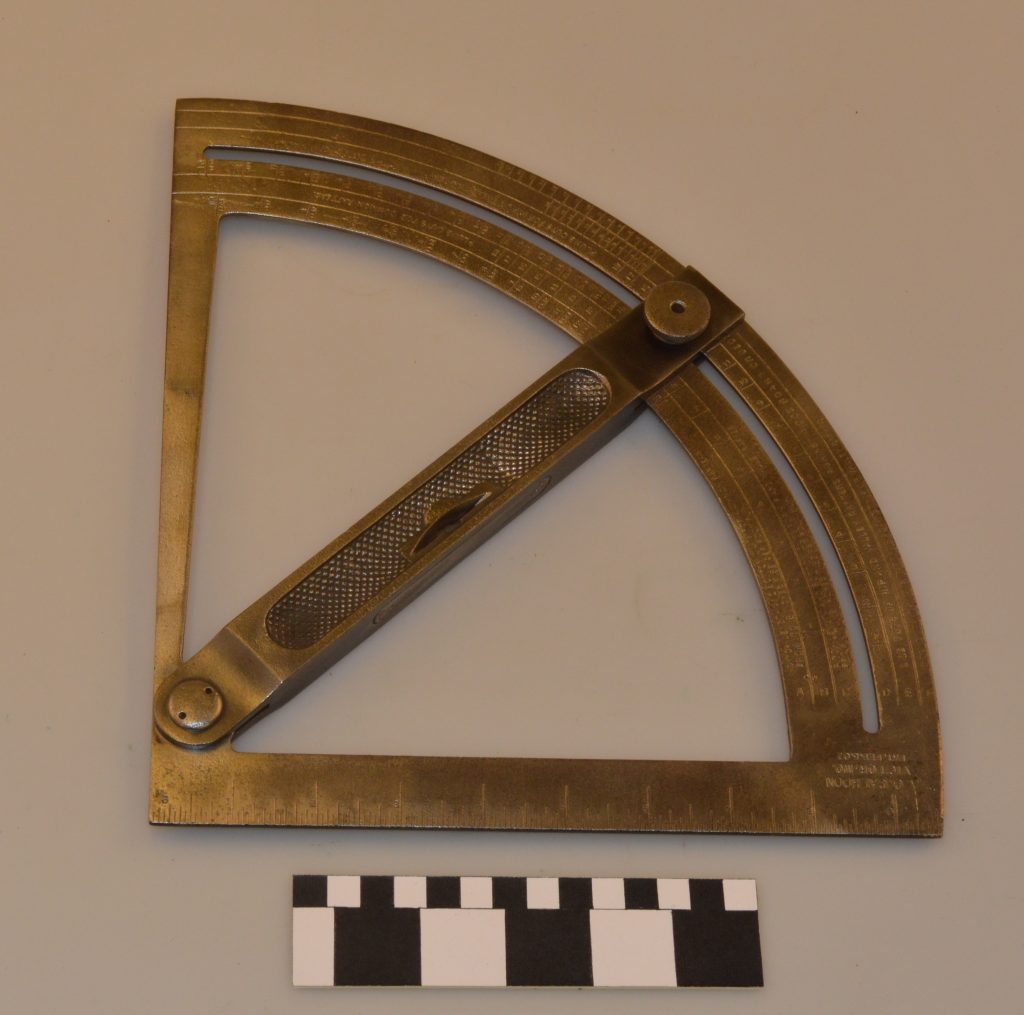
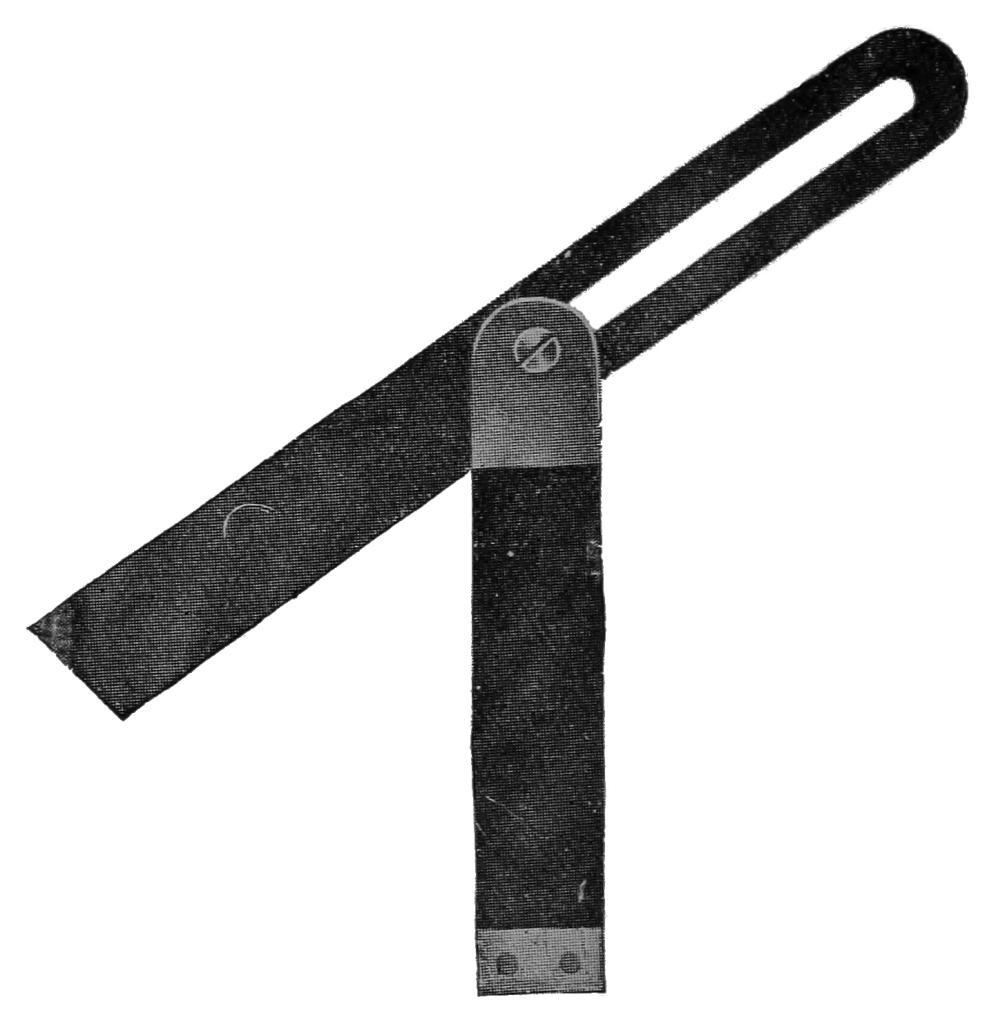
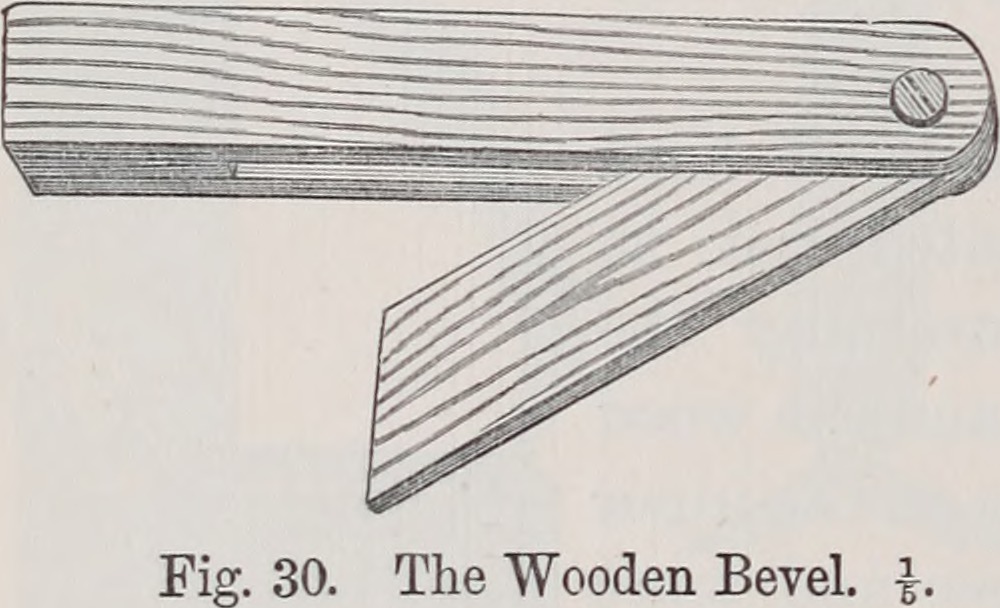
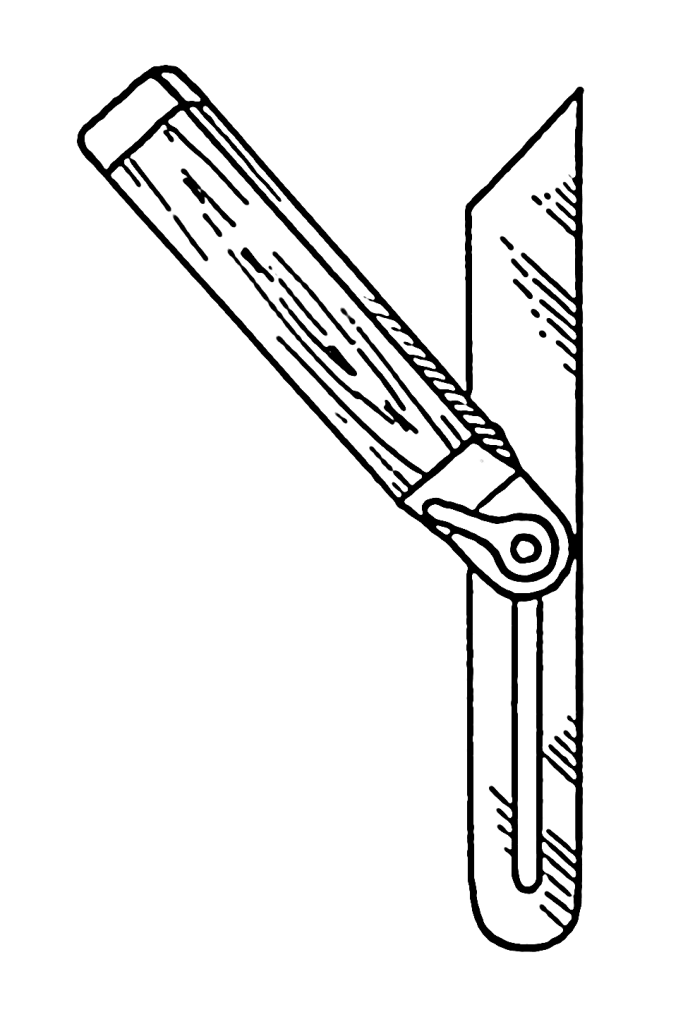
The sliding bevel is the timeless adjustable angle tool of the joinery workshop — the craftsman’s complement to the fixed right angle of the try square, capable of being set to any angle, locked in place, and used to transfer and mark that angle consistently across every component in a job. Where the try square gives the craftsman 90 degrees, the sliding bevel gives every other angle the job demands: the dovetail ratio, the chamfer pitch, the mitre angle, the rafter bevel. It is the tool that makes every angled joint in traditional joinery possible.
History of the Sliding Bevel
The sliding bevel has been attested since the 17th century and has been in continuous use in joinery, carpentry, and instrument making from that period to the present day. As noted in Wikipedia’s sliding bevel article, the tool’s adjustable blade — pivoting in the stock and lockable at any angle by a wing nut or lever cap — is a straightforward engineering solution to the problem of transferring angles from one surface to another without calculation.
Sheffield toolmakers produced sliding bevels in rosewood and brass, in ebony and steel, in a range of blade lengths from small cabinetmaker’s versions to large carpenter’s bevels suited to timber framing. The quality of a sliding bevel was judged by the accuracy of its pivot, the firmness of its lock, and the flatness of its blade: a bevel that slips in use, or whose blade is not truly flat, transfers error rather than angle.
How the Sliding Bevel Works
The craftsman sets the sliding bevel by one of several methods depending on the angle required. For a dovetail joint, the blade is set against a known dovetail ratio — 1:6 for softwood, 1:8 for hardwood — using a dedicated dovetail marker or a simple geometry setup on a flat surface. For a chamfer or mitre, the angle is set by measuring directly from the workpiece, from a protractor, or from an existing cut that needs to be transferred.
Once set, the locking mechanism holds the blade firmly at the chosen angle. The bevel is then registered against the reference face or edge and the marking knife or pencil run along the blade to scribe the layout line. The same setting can be used across dozens of components without readjustment — ensuring every piece in the job carries exactly the same angle.
The Sliding Bevel in 3 Classic Joinery Joints
Dovetail layout is the primary and most demanding application of the sliding bevel in joinery. The dovetail angle — typically 1:6 to 1:8, depending on the timber — must be laid out consistently on every tail and pin board, and the sliding bevel set to the chosen ratio is the tool that transfers this angle from the first board to every subsequent one. Without the sliding bevel, hand-cut dovetails require geometric construction for every new set of components; with it, the angle is captured once and applied instantly.
Chamfer work uses the sliding bevel to set and check the chamfer angle across the length of a beam, chair leg, or table top edge — ensuring the chamfer maintains a consistent pitch from end to end and from piece to piece within a set of furniture. Mitre joints — in picture frames, skirting boards, and architectural joinery — require the sliding bevel set to 45 degrees to mark and check each mitre cut, ensuring the two halves of the joint close without a gap.
Three enduring joints in traditional joinery, all dependent on the same timeless adjustable tool. See also the Try Square — No. 19, the fixed right-angle companion to the sliding bevel, and the Marking Knife — No. 18, which scribes the layout lines the sliding bevel guides.
Sliding Bevel Construction and Selection
The best sliding bevels are made with a rosewood or ebony stock — dense, stable hardwoods that resist wear and provide a secure, non-slip grip on the reference face — and a hardened steel blade ground flat on both faces. The locking mechanism should hold the blade firmly at any angle without creep under the pressure of marking; a lever cap is generally more reliable than a wing nut for repeated use.
The blade length determines the range of the tool: a longer blade suits timber framing and carpentry, where angles must be transferred across wide surfaces; a shorter blade is preferred for fine joinery and cabinetwork. Vintage sliding bevels from Sheffield makers — Rabone, Marples, and others — remain in daily use and are often superior in blade flatness and pivot accuracy to modern budget alternatives.
Setting the Dovetail Angle
For hand-cut dovetail joinery specifically, the sliding bevel is typically set from a dedicated dovetail marker or by construction: a line is drawn 6 units horizontally and 1 unit vertically on a flat surface, and the bevel blade aligned to the hypotenuse of this triangle, giving the 1:6 ratio for softwood. For hardwood, 8 units horizontal and 1 unit vertical gives 1:8. Once set, the bevel is locked and used without further measurement for the entire job — this is the sliding bevel’s defining advantage: set once, use indefinitely.
The Sliding Bevel Today
The sliding bevel remains a timeless, essential layout tool in every hand-tool joinery workshop. The revival of hand-cut dovetails and traditional joinery has brought renewed attention to the sliding bevel — both vintage examples in rosewood and brass and modern precision versions with stainless steel blades are in daily use. No angled joint in traditional joinery is possible without it.
Definition
An adjustable layout tool consisting of a handle and a pivoting steel blade that can be set and locked at any angle. Used to transfer, mark, and check angles — including dovetail ratios, chamfer pitches, and mitre angles — consistently across multiple components. The complement to the fixed right angle of the try square.
Terminology
| German | Schmiege / Winkelschmiege / Stellwinkel |
|---|---|
| English | Sliding Bevel / Bevel Gauge / T-Bevel |
Regional Variants
EN: Sliding bevel, Bevel gauge, T-bevel — DE: Schmiege, Winkelschmiege, Stellwinkel, Schrägmaß — FR: Sauterelle, Fausse équerre — NL: Valse winkelhaak — SE: Smygvinkel — DK: Smigvinkel
Professional Users
Joiners, cabinetmakers, carpenters, timber framers, instrument makers, pattern makers
Period / Era
Attested from the 17th century; in continuous use in joinery and carpentry to the present day
Available as an archival print — Heritage Tools Archive Vol. 02 — Joinery Tools