
#06 – Handsaw
Handsaw Traditional Woodworking — The Enduring Cutting Tool of 3000 Years
Handsaw traditional woodworking spans over 3000 enduring years — from Bronze Age craftsmen to modern joiners, the handsaw has been the fundamental cutting tool in every woodworking workshop worldwide. No other tool in handsaw traditional woodworking is more universal, more indispensable, or more unchanged in its essential rugged form across three millennia of craft.
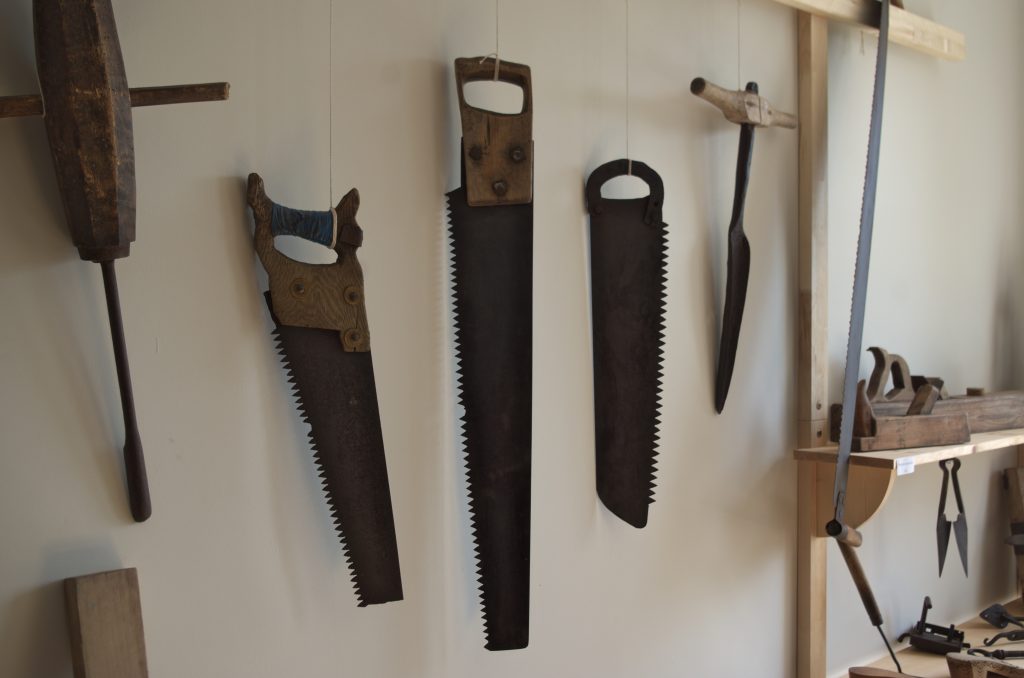
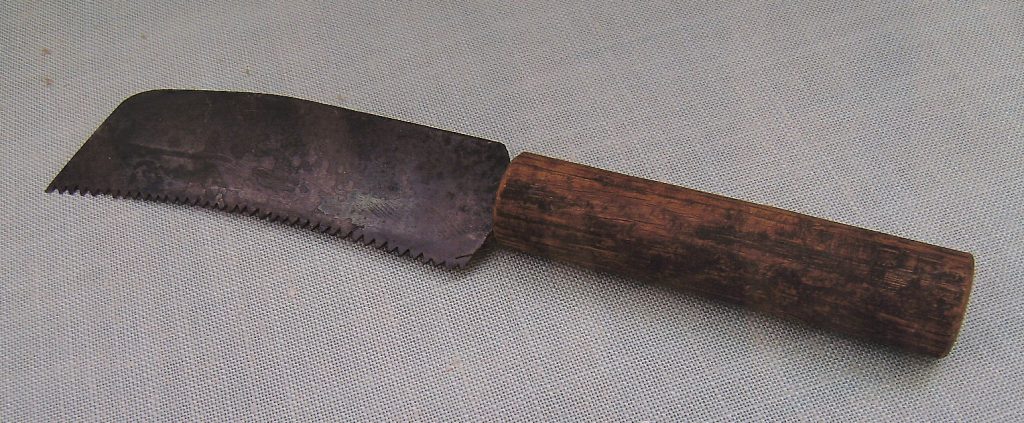
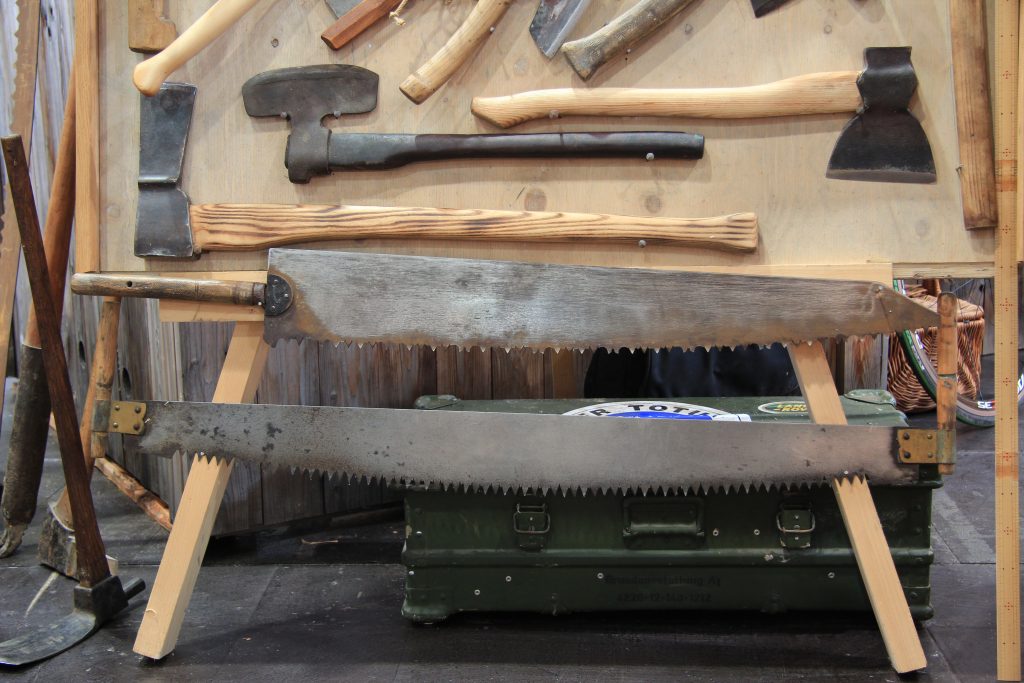
History of Handsaw Traditional Woodworking — 3000 Enduring Years
Iron-toothed handsaws appear in Roman archaeological finds and remained largely unchanged for over a thousand years. As documented in Wikipedia’s hand saw article, the handsaw has been the enduring primary cutting tool in traditional woodworking since the Iron Age — produced by specialist saw smiths who hand-filed and set each tooth individually.
How the Handsaw Works in Traditional Woodworking
The handsaw blade carries rip teeth — chisel-shaped, cutting along the grain aggressively — and crosscut teeth, knife-shaped to sever fibres cleanly across the grain. The taper-ground blade prevents binding in the kerf and allows the saw to track straight in handsaw traditional woodworking.
Handsaw Traditional Woodworking in Joinery and Carpentry
Carpentry, joinery, cabinetmaking, and timber framing all depended on the enduring handsaw as their primary cutting tool. A craftsman typically owned several — a rugged rip saw, a finer crosscut saw, and a tenon saw. See also Framesaw — No. 07, the remarkable tensioned alternative that dominated European workshops before the panel saw.
The Handsaw Today
Handsaw traditional woodworking remains timeless for accuracy, quietness, and portability — and every hand-tool workshop keeps at least one sharp handsaw at the bench.
Definition
A toothed blade with a handle, used to cut wood across or along the grain by manual push or pull strokes. Different tooth geometries produce rip cuts along the grain or crosscuts across it. The fundamental cutting tool in every woodworking tradition worldwide.
Terminology
| German | Handsäge |
|---|---|
| English | Handsaw / Panel Saw / Rip Saw / Crosscut Saw |
Regional Variants
EN: Handsaw, Panel saw, Rip saw, Crosscut saw — DE: Handsäge, Fuchsschwanz, Fuchsschwanzsäge — FR: Scie égoïne — NL: Handzaag — SE: Handsåg — DK: Håndsav
Professional Users
Carpenters, joiners, cabinetmakers, shipwrights, timber framers, pattern makers
Period / Era
Ancient origins (Bronze Age); iron-toothed handsaws from Roman period; in continuous use to present day
Available as an archival print — Heritage Tools Archive Vol. 01 — Woodcraft