
#08 – Spokeshave
Spokeshave Woodworking — Timeless Tool for 5 Techniques on Curved Surfaces
Spokeshave woodworking for curved surfaces is timeless — the art of shaping and smoothing convex and concave profiles with a two-handled plane drawn toward the body. In spokeshave woodworking, curved surfaces that no bench plane can follow are shaped with speed and precision across 5 remarkable techniques, bridging the control of a plane and the flexibility of a drawknife.
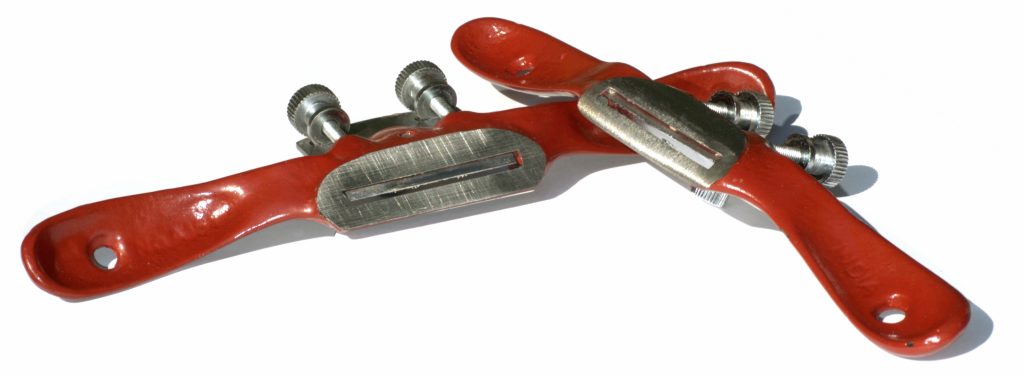
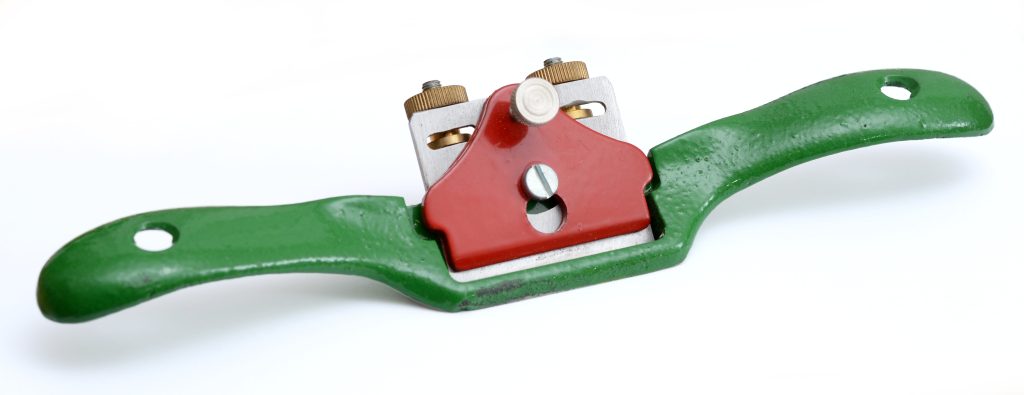
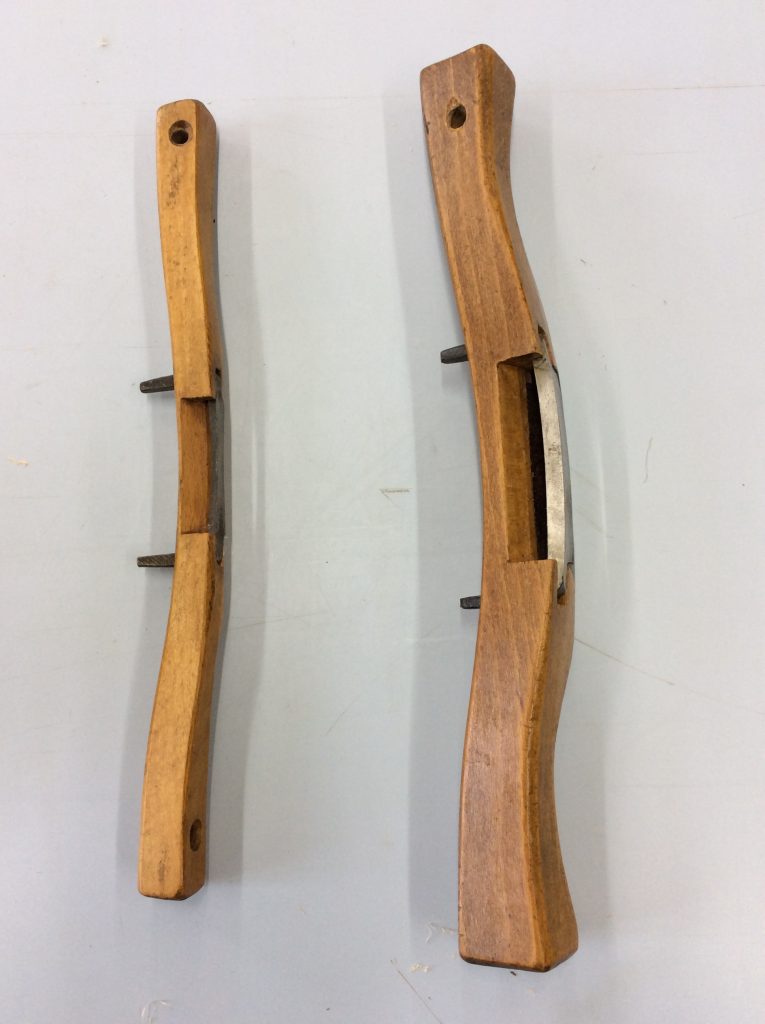
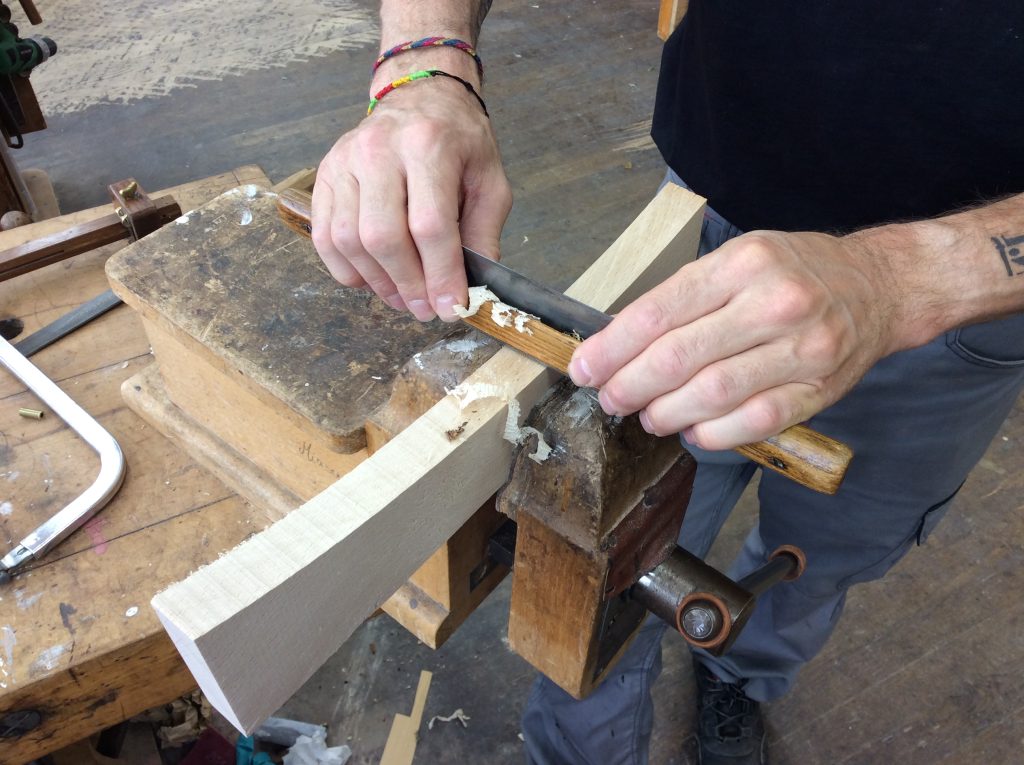
History of Spokeshave Woodworking for Curved Surfaces
The spokeshave has been attested since the 16th century and reached peak use in the 17th through 19th centuries. As documented in Wikipedia’s spokeshave article, this timeless tool for spokeshave woodworking on curved surfaces was essential in every workshop working with wheel spokes, chair legs, and curved furniture parts.
How Spokeshave Woodworking on Curved Surfaces Works
The craftsman grips both handles and draws the rugged spokeshave toward the body, controlling depth through wrist angle and downward pressure. The short sole registers on the curved surface — allowing the blade to follow convex or concave curves that a standard bench plane cannot track in spokeshave woodworking.
Spokeshave Woodworking in 5 Traditional Techniques
Wheelwrights shaped spokes; chair makers refined curved legs and arm rails; boat builders worked hull curves; coopers shaped stave edges; carriage makers profiled shafts. This timeless spokeshave woodworking tradition continues today. See also Drawknife — No. 02, which handles rougher shaping before the spokeshave refines curved surfaces.
The Spokeshave Today
The spokeshave remains a timeless tool widely used in hand-tool woodworking for chair making, boat building, and any remarkable work involving curved surfaces shaped by hand.
Definition
A small two-handled plane with a short blade, used to shape and smooth curved surfaces such as wheel spokes, chair legs, and curved chair parts. The craftsman draws it toward the body, controlling depth with finger pressure. Combines the precision of a plane with the versatility of a drawknife.
Terminology
| German | Ziehhobel / Schabhobel |
|---|---|
| English | Spokeshave |
Regional Variants
EN: Spokeshave, Spoke shave, Shave — DE: Ziehhobel, Schabhobel, Speichenhobel — FR: Plane, Vastringue — NL: Spreekshave — SE: Ekerspade — DK: Egehøvl
Professional Users
Wheelwrights, chair makers, coopers, carpenters, boat builders, pattern makers
Period / Era
Attested from the 16th century; widely used 17th–19th century; still in active use in woodworking today
Available as an archival print — Heritage Tools Archive Vol. 01 — Woodcraft